Satire spills from every page of Catch-22, with absurdity blown up to epic proportions. But the follies of Joseph Heller’s fiction are alarmingly analogous to those in Europe today.
Take Milo Minderbender, the enterprising mess officer whose ingenious syndicate serves soldiers the finest delicacies of the Mediterranean. The venture runs aground when Milo miscalculates on a purchase of Egyptian cotton – ending up with an enormous dead stock which he tries vainly to feed to servicemen. In desperation he coats the soft fibres in chocolate, but to no avail. Milo’s most curious confection proves inedible.
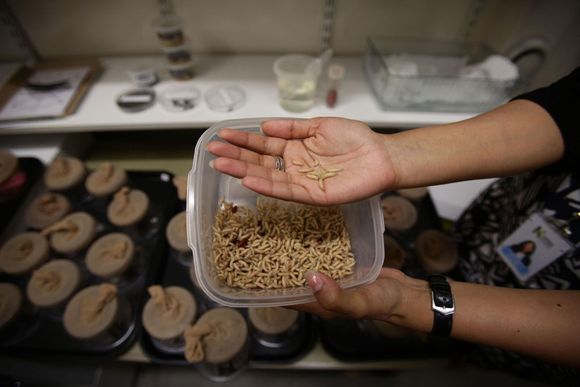
Swap cotton for insects, and the syndicate for their industry lobby, and we have a modern allegory for this ill-fated endeavour.
“Alternative proteins” have in recent years come to represent a new frontier in food production, with industry pioneers clamouring for investment – including subsidies – to scale up these initiatives. The gold rush has turned some laboratories into lucrative businesses, as consumers develop a taste for cultivated meats.
Other schemes have been less successful, some spectacularly so. Enter Ÿnsect, a French start-up with designs to dominate the insect protein market. The company collapsed last year amid stomach-turning revelations of festering facilities.
Rather than read the episode as a cautionary tale that Europeans don’t want to dine on bugs, the insect lobby has instead complained that the policy environment fails to match the industry’s ambition. To help bring this innovative cuisine into the mainstream, it has called for mandatory public procurement. Heller would have been proud.
If the French can’t sell insect gastronomy, Brussels doesn’t stand a chance. France has made hors d’oeuvres from slimy gastropods and amphibians, offal and gizzards are swallowed with relish. But the popular appetite for insects has proven non-existent, not for lack of culinary wizardry or public funds.
The truth is that no mind-bending marketing will convince consumers to sup on such base creatures – which instead are fed to less discerning livestock. It’s an elaborate substitute for animal feed that makes no economic sense.
In Catch-22, Milo saves his business empire by selling his useless cotton to the government. The saga makes great fiction, but satire is supposed to prevent such idiocy in the real world.